
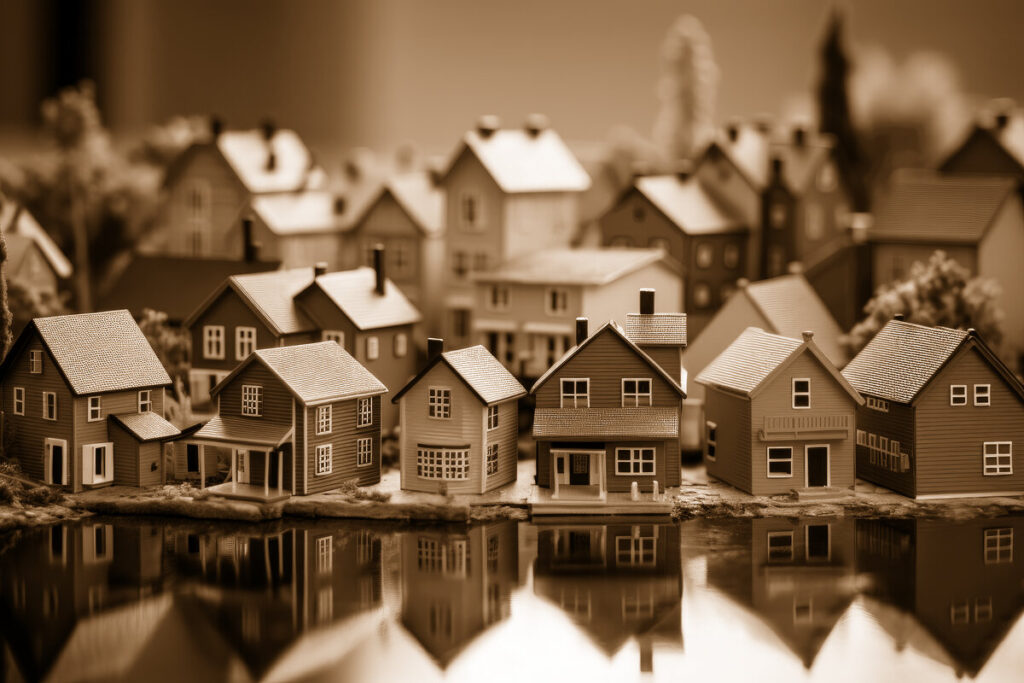
Nestled just northeast of downtown Sarasota, the Park East neighborhood has a story as colorful and enduring as the banyan trees lining its inviting streets. For those who’ve strolled along Payne Parkway or enjoyed a quiet afternoon in Dr. Martin Luther King Jr. Park, Park East is more than just a place on the map—it's a testament to Sarasota's dynamic heritage, community pride, and reinvention.
Origins: A Neighborhood Takes Root
Long before Park East became the vibrant, diverse enclave it is today, this patch of Sarasota was mostly quiet farmland and pine scrub. The neighborhood’s origins trace back to the early 20th century, when growth in Sarasota began to spill out from downtown toward what was then the city’s eastern edge.
Park East owes its name to its position just east of the original city center and its proximity to what would become Payne Park—one of Sarasota’s most cherished green spaces. The transformation from rural outskirts to a residential hub began in earnest after World War II, as returning GIs and their families flocked to Sarasota in search of sunshine and opportunity.
Naming Park East: A Nod to Place and Purpose
The “Park” in Park East refers to two treasures: historic Payne Park to the south and Edward J. James Park along North Washington Boulevard. The “East” simply described its orientation on the city’s map in relation to downtown and those well-loved public spaces. As nearby neighborhoods like Gillespie Park and Towles Court developed their own unique flavors, Park East carved out its character, drawing families and small businesses with affordable homes and easy access to downtown culture.
Key Historical Milestones
Over the decades, Park East has seen remarkable change—sometimes gradual, sometimes bold, but always reflecting the spirit of Sarasota at large.
- 1940s–1950s: The post-war boom brought bungalow construction along thoroughfares like Tuttle Avenue and School Avenue. Veterans and working-class families laid down roots, making Park East one of Sarasota’s most diverse neighborhoods.
- 1960s–1970s: Periods of flux defined these decades, with waves of new residents bringing fresh energy and entrepreneurial spirit. Old fruit stands and corner shops became gathering spots, and places like the Bethel CME Church on Dr. Martin Luther King Way anchored the community’s social life.
- 1980s–1990s: Efforts to revitalize downtown Sarasota extended into Park East. Community organizations championed neighborhood beautification, the creation of small parks, and the preservation of historic homes.
- 2000s–Present: In recent years, Park East has drawn increasing interest from artists, young professionals, and families eager for an authentic “Old Florida” neighborhood with an eye to the future. Restoration projects, public art installations, and new restaurants have knit the old and new together.
Notable Landmarks and Buildings
Part of the magic of Park East lies in its blend of legacy and reinvention. Walk its streets and you’ll encounter a patchwork of architectural styles and local landmarks:
- Payne Park: Once home to the spring training grounds of baseball’s Baltimore Orioles, the park’s transformation into a vibrant city park in the 1990s brought tennis courts, a circus-themed playground, skate park, and winding walking trails. It remains a favorite gathering place for neighbors.
- Edward J. James Park: Named for a beloved local educator, this small but mighty park on East Avenue is a hub for community events, youth sports, and family outings.
- Historic Shotgun Houses: Scattered along streets like 23rd and 24th, these modest yet enduring homes stand as reminders of the neighborhood’s early working-class roots.
- Bethel CME Church: With its deep roots in Sarasota’s African American community, this church is not only a place of worship but also a center for cultural and social activity.
Streets With Stories
Every great neighborhood has avenues and lanes with tales to tell, and Park East is no exception. School Avenue, once marking the city’s “edge,” has seen generations of students walk its length. Meanwhile, Dr. Martin Luther King Jr. Way, formerly 27th Street, honors the civil rights leader and remains a vital corridor for neighborhood life. At the neighborhood’s western edge, North Washington Boulevard (US 301) has always been the conduit to broader Sarasota and beyond.
Evolution Through the Decades
Change has been both friend and challenge to Park East. As Sarasota’s real estate values soared, the neighborhood faced pressures familiar to many older urban areas—gentrification, redevelopment, and the risk of losing its soul. Yet, Park East’s close-knit residents have consistently worked to preserve the character and welcome newcomers alike.
Recent years have seen an uptick in home restorations, new small businesses opening along main streets, and the blossoming of community gardens. Local organizations, such as the Park East Neighborhood Association, actively foster pride, dialogue, and inclusion—ensuring new investments respect the area’s unique vibe.
Community, Culture, and Identity
Walk through Park East today and you’ll find a living mosaic of cultures, from multigenerational local families to artists, young professionals, and newcomers from every walk of life. The porch culture—neighbors greeting each other over fences, children playing in front yards—remains strong.
Annual events, like neighborhood cleanups and park festivals, help build bonds and welcome new faces. There’s a sense that Park East’s history is not just something to learn about, but to be continued by everyone who calls the area home.
What Makes Park East Special
More than its parks or historic homes, what endures in Park East is a sense of belonging—a warmth that outlasts renovation booms and market trends. It’s in the laughter echoing from playgrounds, the shade of mature oaks, and the shared pride in a neighborhood that’s always carried a bit of Sarasota’s pioneer spirit.
Whether you’re drawn by its history, architecture, or the promise of a Sunday afternoon at Payne Park, Park East invites you to slow down, look around, and become part of its unfolding story.